Choosing a Fly Rod for Trout
Walk into any fly shop and you’ll see a wall of rods with numbers that don’t mean much at first: 4 wt, 9 ft, fast action. The good news is that for trout, choosing a fly rod comes down to three simple questions:
- What size water will you fish? A tight, brushy creek and a big western river call for different rods.
- What size flies will you throw? Tiny dries and big streamers need different tools.
- How much wind will you face? Open rivers out west can blow hard.
Answer those, and the right rod becomes pretty clear. Here’s how we think about it.
Rod Weight: The Most Important Choice
A rod’s “weight” (written as wt) has nothing to do with how heavy it is. It tells you what weight of fly line the rod is built to cast. Lower numbers are lighter and more delicate. Higher numbers handle bigger flies, bigger fish and more wind.
- 2–3 wt: Small creeks and small trout. Delicate casts and tons of fun on a 10-inch brookie, but not much help in wind.
- 4 wt: Our pick for small to medium creeks, like Driftless spring creeks. Light enough for small dries, with enough backbone for a good brown.
- 5 wt: The all-around trout rod. If you’re buying one rod for creeks and rivers, buy a 5 wt. It handles dries, nymphs and small streamers on most water.
- 6 wt: Big rivers, big flies and wind, like the Snake, Yellowstone and Madison. Better for streamers and heavy nymph rigs, and for casting from a drift boat.
If you only own one rod, make it a 5 wt. You can fish almost anywhere trout live with it.
Rod Length: Match It to the Brush
- 7–7½ ft: Tight, overgrown creeks where trees and brush crowd the water. A short rod is easier to cast under branches and won’t snag on every bush.
- 8–8½ ft: Small to medium streams with some open room. A nice middle ground for spring creeks.
- 9 ft: The standard for rivers. Longer rods cast farther, mend line more easily and help on windy days.
- 10 ft and up: Built for nymphing and Euro-style fishing, where reach matters more than casting distance.
A 9 ft rod is the safe choice for most anglers. Go shorter only if most of your fishing is on small, brushy water.
Rod Action: How the Rod Bends
“Action” describes where a rod bends when you cast.
- Fast action: Bends mostly near the tip. Casts far and cuts through wind, but takes more timing to cast well. Great on big, windy rivers.
- Medium-fast action: Bends through the top half. The best all-around choice and the easiest for most anglers to learn on.
- Medium or slow action: Bends deep into the rod. Soft, accurate casts at short range, perfect for small creeks and protecting light tippet.
For most trout anglers, medium-fast is the sweet spot.
Graphite or Fiberglass?
Most rods today are graphite: light, strong and versatile. Fiberglass rods are slower and softer, and many small-creek anglers love them for short, gentle casts and the feel of every fish. A fiberglass rod in a 3 or 4 wt can be a joy on a Driftless creek.
Our Quick Picks
Where You Fish | Our Pick | Why |
Small, brushy creeks | 7–7½ ft, 3 wt, medium action | Short casts under trees, and small trout feel big |
Driftless spring creeks | 8–8½ ft, 4 wt, medium-fast | Delicate with small dries, with enough backbone for a good brown |
Most trout streams and rivers | 9 ft, 5 wt, medium-fast | The do-it-all trout rod |
Big western rivers (Snake, Yellowstone) | 9 ft, 6 wt, fast | Big flies, wind and drift boats |
Nymphing-focused anglers | 10 ft, 3–4 wt | Reach and sensitivity for tight-line nymphing |
Reel and Line: Keep It Matched
Your reel and line should match your rod’s weight. A 5 wt rod takes a 5 wt line. For trout, start with a weight-forward floating line, which handles dries, nymphs and most streamers. A simple reel with a smooth drag is plenty, since trout rarely run far. Many shops sell matched rod, reel and line combos, and they’re a great way to start.
Buying Tips
- Cast before you buy. Most fly shops will let you try a few rods in the parking lot. How a rod feels to you matters more than any spec sheet.
- Pick a four-piece rod. It packs down small for travel and fits behind a truck seat.
- Check the warranty. Rods break, usually in car doors. A good warranty is worth paying for.
- Don’t overspend on your first rod. A solid mid-priced rod will catch every trout a high-end one will. Spend the difference on good line and a trip.
Final Thoughts
There’s no perfect rod for every water, but there’s a right rod for the water you fish most. If you’re just starting out, a 9 ft, 5 wt, medium-fast rod will take you from Driftless spring creeks to the Snake River and almost everywhere in between. Add a small-creek rod or a big-river 6 wt later, as your fishing grows.
Stop by your local fly shop, cast a few, and get out on the water.
Shop This Article
Stickers and gear that go with this guide, drawn by Nick and printed in the USA.
-
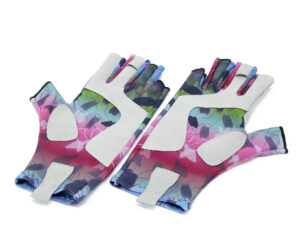
Trout Series Fishing Gloves
$17.99 Select options This product has multiple variants. The options may be chosen on the product page -
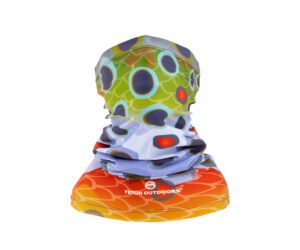
Trout Series Neck Gaiter
$10.99 Select options This product has multiple variants. The options may be chosen on the product page