Nothing in fly fishing beats watching a trout come up and eat your fly off the surface. Learning how to dry fly fish comes down to three things: picking a fly that looks like what the fish are eating, putting it in front of them without spooking them, and letting it float naturally with the current.
This guide covers dry fly fishing techniques from start to finish: reading rises, matching the hatch, dry fly presentation, the drag-free drift and what to do when trout refuse your fly.
When to Fish a Dry Fly
Dry flies work best when trout are looking up. Look for:
- Rising fish. Rings on the water, splashes or noses breaking the surface.
- Bugs in the air or on the water. Mayflies drifting like tiny sailboats, caddis fluttering over riffles, grasshoppers along grassy banks.
- Warm, calm evenings. Many hatches peak in the last hour or two of daylight in summer.
- Overcast days. Some mayfly hatches are strongest on cool, cloudy days.
No rises? You can still “prospect” with a dry fly, especially a big, visible attractor like a Chubby Chernobyl or Stimulator, in riffles and along banks. For days when nothing is happening on top, see our guide on how to nymph fish.
Read the Rise
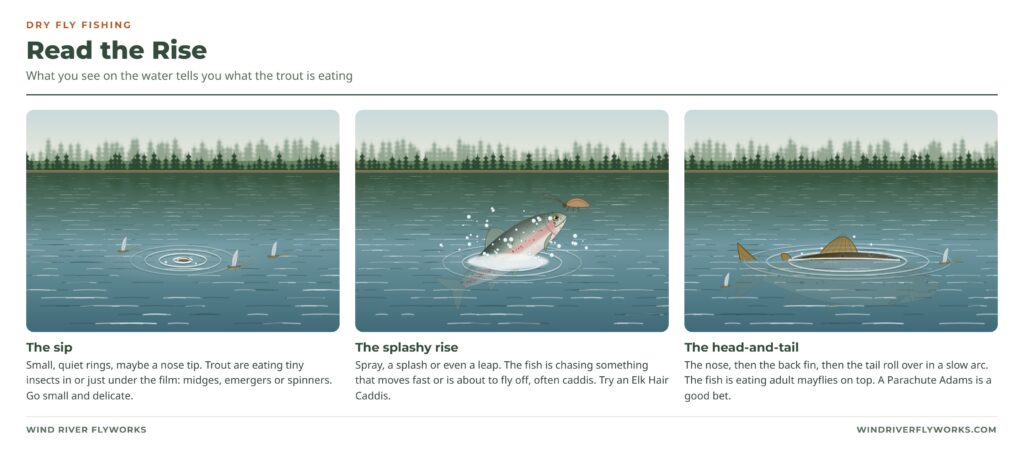
The way a trout breaks the surface tells you a lot about what it is eating.
- The sip: small, quiet rings. The fish is taking small insects in or just under the surface film, like midges, emergers or spent spinners. Fish a small fly and a light tippet.
- The splashy rise: the fish chases something that moves fast or is about to fly away, often caddis or insects that are just hatching. Try an Elk Hair Caddis.
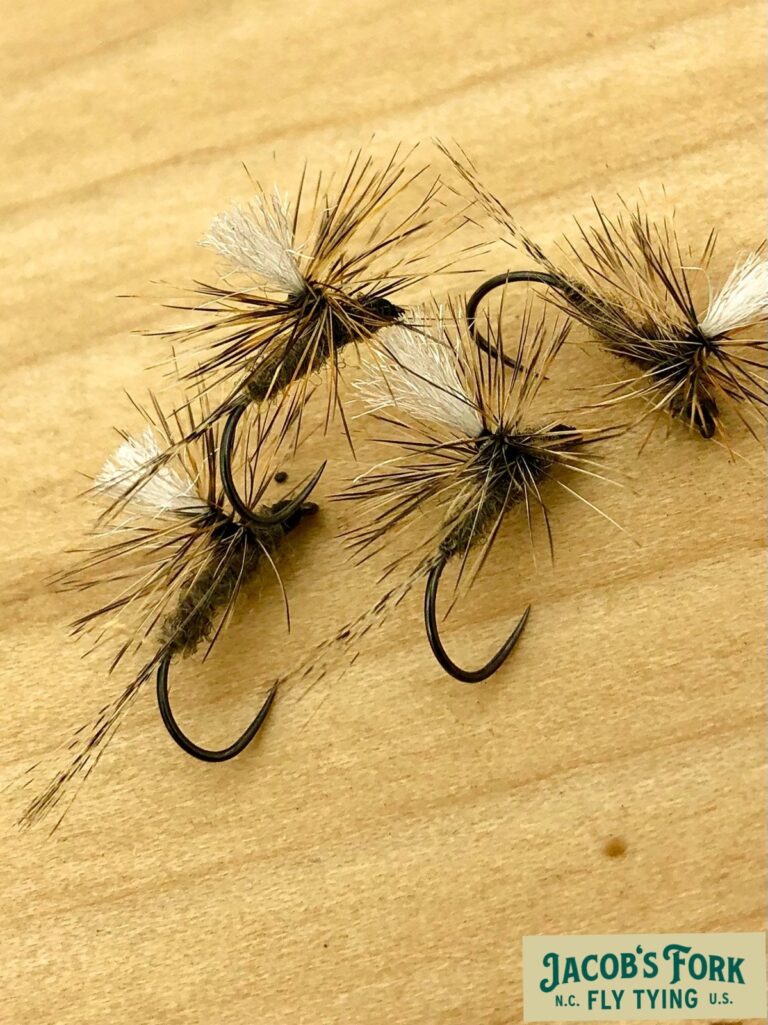
- The head-and-tail: you see the nose, then the back fin, then the tail. The trout is eating adult mayflies on top. A Parachute Adams or similar mayfly pattern is a good bet.
Matching the Hatch: Choosing the Right Dry Fly
Matching the hatch means choosing a fly that looks like the insects the trout are eating. Catch a bug off the water or out of the air and compare it to your fly box on three things, in this order:
- Size. The most important one. If the naturals are tiny, a big fly gets refused, even in the right color.
- Shape (profile). Upright wings like a sailboat (mayfly), wings folded like a tent (caddis), or long and flat (stonefly or hopper).
- Color. Get it close. Trout see the fly from below against a bright sky, so shade matters less than size and shape.
If you only carry a few dry flies, carry these: a Parachute Adams (sizes 12 to 20), an Elk Hair Caddis (12 to 18), a Griffith’s Gnat for midges (18 to 22) and a Chubby Chernobyl or hopper for summer banks.
Dry Fly Presentation
A good dry fly presentation lands the fly softly, upstream of the fish, with the leader out of the trout’s view.
- Approach from downstream. Trout face upstream, so sneak up from behind them. Stay low and wade slowly.
- Cast 2 to 4 feet above the fish. Give the fly time to settle and drift into the trout’s window.
- Land the fly first. Aim your cast a foot or two above the water and let the line settle softly. Avoid slapping the line over the fish.
- Use the right angle. An upstream cast hides your line and leader behind the fish. An across-and-down “reach cast” puts the fly first over very picky fish.
- Use a long, fine leader. A 9 to 12 ft leader with 5X or 6X tippet for small flies and smooth water.
The Drag-Free Drift
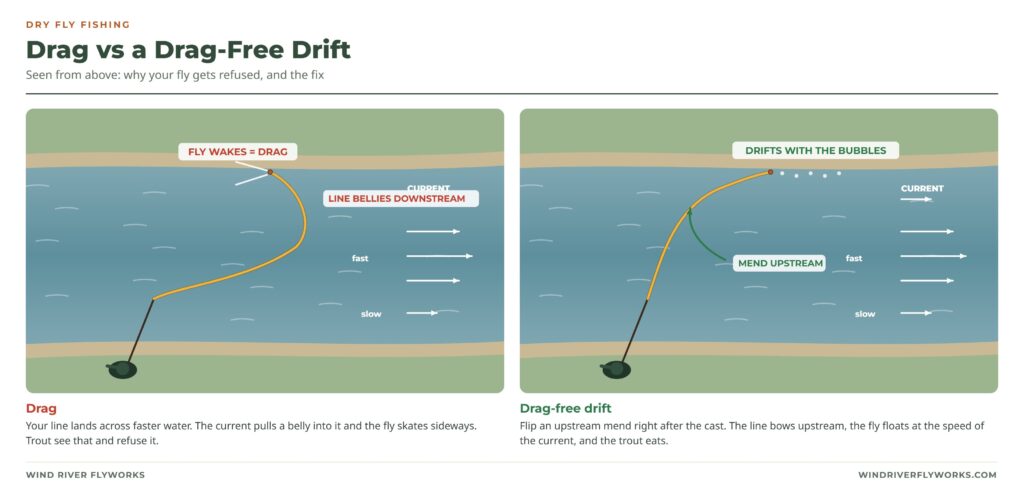
Drag is the number one reason trout refuse a dry fly. It happens when your line lands across currents of different speeds. The faster current pulls a belly into the line, and the fly skates sideways or leaves a tiny wake. Real bugs don’t do that, and trout notice.
To get a drag-free drift:
- Mend. Right after the cast, flip a bow of line upstream so the current has to straighten it before it can pull on the fly.
- Add slack. Stop the rod a little high on the forward cast so the line and leader land with small S-curves. Slack buys drift time.
- Shorten up. Less line on the water means less for the current to grab. Get closer when you can.
- Change your position. Moving a few steps to cast straight upstream often removes drag completely.
- Watch the bubbles. Your fly should float at exactly the speed of the foam and bubbles around it.
Refusals: When a Trout Looks but Won’t Eat
A trout that rises, inspects your fly and turns away is giving you information.
- Check for drag first. It’s the most common cause. Mend, add slack or change your angle.
- Go down a size. Most refusals happen with a fly that’s too big.
- Go finer on tippet. Drop from 5X to 6X on flat, clear water.
- Switch to an emerger. Trout eating just under the surface may ignore a high-floating dry but eat a fly that sits low in the film.
- Rest the fish. After several refusals, wait a minute or two before casting again.
Setting the Hook on a Dry Fly
Don’t strike the instant you see the rise. Let the trout close its mouth and turn down, then lift the rod smoothly. A good rule is to say “God save the King” (or “one-one-thousand” for smaller fish) before you set. Big, slow fish need more time; small, quick fish need less.
Get Out and Watch for Rises
Dry fly fishing rewards patience and observation. Watch the water, match size and shape, get a clean drift and give the fish a moment before you set. Before your next trip, check our guide to casting a fly rod so your fly lands soft and right where you want it.
Flies in This Guide

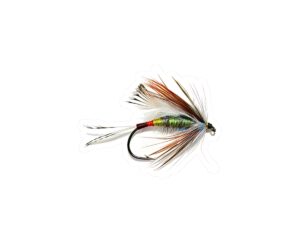
Parachute Adams
Get it from Jacobs Fork →
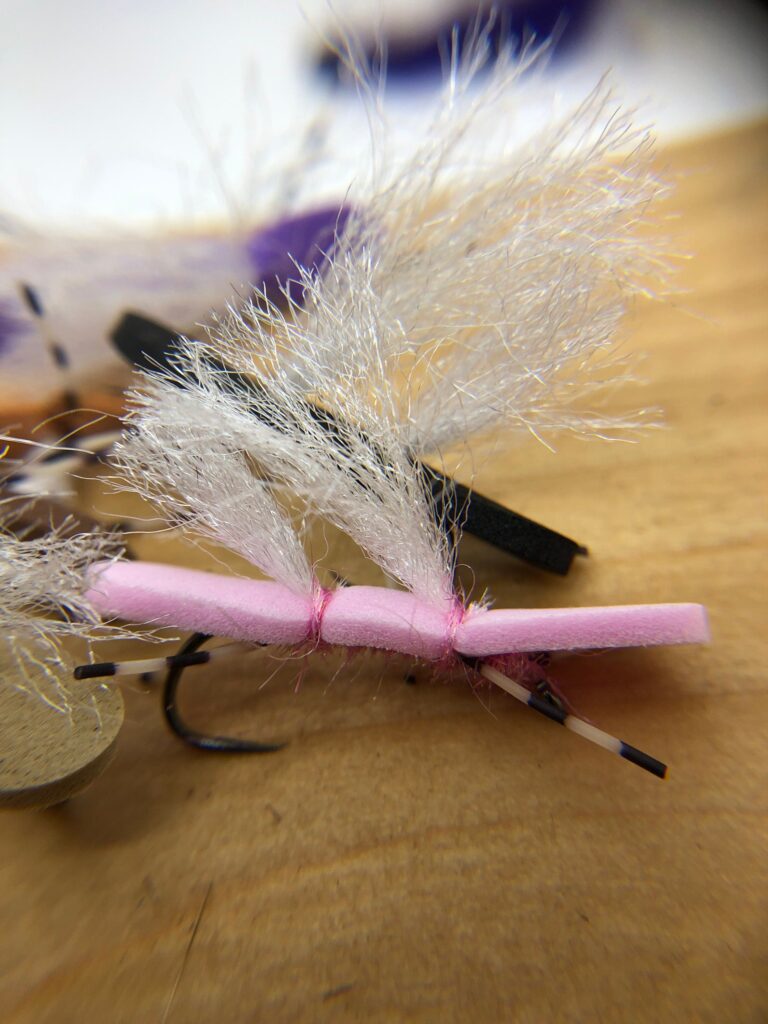
Chubby Chernobyl
Get it from Jacobs Fork →
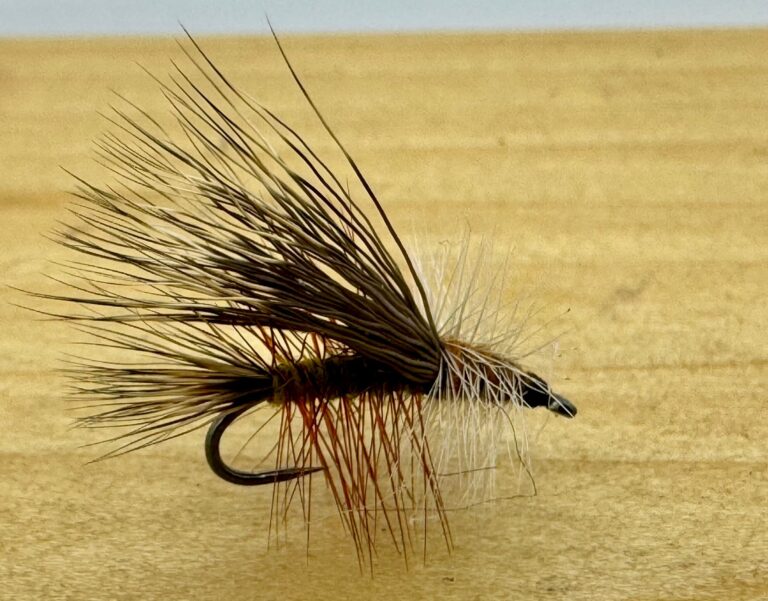
Stimulator
Get it from Jacobs Fork →
Flies tied by Jacobs Fork Fly Tying, photos used with permission. We don’t earn anything from these links.
Shop This Article
Stickers and gear that go with this guide, drawn by Nick and printed in the USA.
-
Colorful Adams Dry Fly Sticker
$3.99 – $4.99Price range: $3.99 through $4.99 Select options This product has multiple variants. The options may be chosen on the product page